<?xml version="1.0" encoding="utf-8" ?>
<rdf:RDF xmlns:rdf="http://www.w3.org/1999/02/22-rdf-syntax-ns#" xmlns:dc="http://purl.org/dc/elements/1.1/" xmlns:syn="http://purl.org/rss/1.0/modules/syndication/" xmlns="http://purl.org/rss/1.0/">


<channel rdf:about="http://lta.iwlearn.org/search_rss">
  <title>Lake Tanganyika</title>
  <link>http://lta.iwlearn.org</link>

  <description>
    
            These are the search results for the query, showing results 1 to 15.
        
  </description>


  <image rdf:resource="http://lta.iwlearn.org/logo.png"/>

  <items>
    <rdf:Seq>
      
        <rdf:li rdf:resource="http://lta.iwlearn.org/Countries/z/zambia-homepage"/>
      
      
        <rdf:li rdf:resource="http://lta.iwlearn.org/flagzambia.gif"/>
      
      
        <rdf:li rdf:resource="http://lta.iwlearn.org/Countries/z"/>
      
      
        <rdf:li rdf:resource="http://lta.iwlearn.org/wwd_2012.jpg"/>
      
      
        <rdf:li rdf:resource="http://lta.iwlearn.org/IMG_0417.jpg"/>
      
      
        <rdf:li rdf:resource="http://lta.iwlearn.org/IMG_0168.jpg"/>
      
      
        <rdf:li rdf:resource="http://lta.iwlearn.org/IMG_0170.jpg"/>
      
      
        <rdf:li rdf:resource="http://lta.iwlearn.org/WorldWaterWeekPoster.jpg"/>
      
      
        <rdf:li rdf:resource="http://lta.iwlearn.org/world-water-week-2012"/>
      
      
        <rdf:li rdf:resource="http://lta.iwlearn.org/world-water-week"/>
      
      
        <rdf:li rdf:resource="http://lta.iwlearn.org/photos/People_women-at-work.jpg"/>
      
      
        <rdf:li rdf:resource="http://lta.iwlearn.org/photos/Peop_women-at-work.jpg"/>
      
      
        <rdf:li rdf:resource="http://lta.iwlearn.org/lakegooglemap1.png"/>
      
      
        <rdf:li rdf:resource="http://lta.iwlearn.org/front-page"/>
      
      
        <rdf:li rdf:resource="http://lta.iwlearn.org/photos/Tour_waterfalls.jpg"/>
      
    </rdf:Seq>
  </items>

</channel>


  <item rdf:about="http://lta.iwlearn.org/Countries/z/zambia-homepage">
    <title>Zambia Homepage</title>
    <link>http://lta.iwlearn.org/Countries/z/zambia-homepage</link>
    <description> </description>
    <content:encoded xmlns:content="http://purl.org/rss/1.0/modules/content/"><![CDATA[<h2 style="padding-left: 0px; ">Zambia</h2>
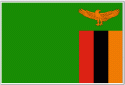
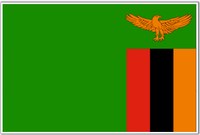
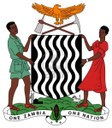
<p><img src="http://lta.iwlearn.org/flagzambia.gif/@@images/ebc47cee-93b2-47d1-bc29-81f37f2311b6.jpeg" alt="   " class="image-inline" title="Zambia flag" />      <img src="http://lta.iwlearn.org/Countries/z/EmblemofZambia.jpg/@@images/d96ee775-2dfa-48e6-95a1-75790caaaccf.jpeg" alt="" class="image-inline" title="" />
<p> </p>
<h3>Background</h3>
<p><b> </b> 
<p> </p>
<p><b>Zambia</b> (  <a href="http://en.wikipedia.org/wiki/Wikipedia:IPA_for_English" title="Wikipedia:IPA for English">/</a><a href="http://en.wikipedia.org/wiki/Wikipedia:IPA_for_English#Key" title="Wikipedia:IPA for English">ˈ</a><a href="http://en.wikipedia.org/wiki/Wikipedia:IPA_for_English#Key" title="Wikipedia:IPA for English">z</a><a href="http://en.wikipedia.org/wiki/Wikipedia:IPA_for_English#Key" title="Wikipedia:IPA for English">æ</a><a href="http://en.wikipedia.org/wiki/Wikipedia:IPA_for_English#Key" title="Wikipedia:IPA for English">m</a><a href="http://en.wikipedia.org/wiki/Wikipedia:IPA_for_English#Key" title="Wikipedia:IPA for English">b</a><a href="http://en.wikipedia.org/wiki/Wikipedia:IPA_for_English#Key" title="Wikipedia:IPA for English">i</a><a href="http://en.wikipedia.org/wiki/Wikipedia:IPA_for_English#Key" title="Wikipedia:IPA for English">ə</a><a href="http://en.wikipedia.org/wiki/Wikipedia:IPA_for_English" title="Wikipedia:IPA for English">/</a>), officially the <b>Republic of Zambia</b>, is a <a href="http://en.wikipedia.org/wiki/Landlocked_country" title="Landlocked country">landlocked country</a> in <a href="http://en.wikipedia.org/wiki/Southern_Africa" title="Southern Africa">Southern Africa</a>. The neighbouring countries are the <a href="http://en.wikipedia.org/wiki/Democratic_Republic_of_the_Congo" title="Democratic Republic of the Congo">Democratic Republic of the Congo</a> to the north, <a href="http://en.wikipedia.org/wiki/Tanzania" title="Tanzania">Tanzania</a> to the north-east, <a href="http://en.wikipedia.org/wiki/Malawi" title="Malawi">Malawi</a> to the east, <a href="http://en.wikipedia.org/wiki/Mozambique" title="Mozambique">Mozambique</a>, <a href="http://en.wikipedia.org/wiki/Zimbabwe" title="Zimbabwe">Zimbabwe</a>, <a href="http://en.wikipedia.org/wiki/Botswana" title="Botswana">Botswana</a> and <a href="http://en.wikipedia.org/wiki/Namibia" title="Namibia">Namibia</a> to the south, and <a href="http://en.wikipedia.org/wiki/Angola" title="Angola">Angola</a> to the west. The capital city is <a href="http://en.wikipedia.org/wiki/Lusaka" title="Lusaka">Lusaka</a>, located in the south-central part of the country. The population is concentrated mainly around the capital <a href="http://en.wikipedia.org/wiki/Lusaka" title="Lusaka">Lusaka</a> in the south and the <a href="http://en.wikipedia.org/wiki/Copperbelt" title="Copperbelt">Copperbelt</a> to the northwest.
<p> </p>
<p>Originally inhabited by <a href="http://en.wikipedia.org/wiki/Khoisan" title="Khoisan">Khoisan</a> peoples, the region of what is now Zambia was reached by the <a href="http://en.wikipedia.org/wiki/Bantu_expansion" title="Bantu expansion">Bantu expansion</a> by ca. the 12th century. After visits by <a href="http://en.wikipedia.org/wiki/European_exploration_of_Africa" title="European exploration of Africa">European explorers</a> starting in the 18th century, Zambia became the British colony of <a href="http://en.wikipedia.org/wiki/Northern_Rhodesia" title="Northern Rhodesia">Northern Rhodesia</a> towards the end of the nineteenth century. For most of the colonial period, the country was governed by an administration appointed from <a href="http://en.wikipedia.org/wiki/London" title="London">London</a> with the advice of the <a href="http://en.wikipedia.org/wiki/British_South_Africa_Company" title="British South Africa Company">British South Africa Company</a>. On 24 October 1964, the country declared independence from the <a href="http://en.wikipedia.org/wiki/United_Kingdom" title="United Kingdom">United Kingdom</a> and Prime Minister <a href="http://en.wikipedia.org/wiki/Kenneth_Kaunda" title="Kenneth Kaunda">Kenneth Kaunda</a> became the first head of state. Zambia was governed by <a href="http://en.wikipedia.org/wiki/Kenneth_Kaunda" title="Kenneth Kaunda">Kenneth Kaunda</a> of the socialist <a href="http://en.wikipedia.org/wiki/United_National_Independence_Party" title="United National Independence Party">United National Independence Party</a> (UNIP) from 1964 until 1991. From 1972 to 1991 Zambia was a one-party state with UNIP the sole legal political party. From 1991 to 2002, Zambia was governed by president <a href="http://en.wikipedia.org/wiki/Frederick_Chiluba" title="Frederick Chiluba">Frederick Chiluba</a> of the social-democratic <a href="http://en.wikipedia.org/wiki/Movement_for_Multi-Party_Democracy" title="Movement for Multi-Party Democracy">Movement for Multi-Party Democracy</a> during which the country saw a rise in social-economic growth and increased decentralisation of government. <a href="http://en.wikipedia.org/wiki/Levy_Mwanawasa" title="Levy Mwanawasa">Levy Mwanawasa</a> was the third President of Zambia. He presided over the country from January 2002 until his death in August 2008. He is credited with having initiated a campaign to rid the country of corruption, and increasing standards of living from the levels left by Frederick T.J. Chiluba.
<p> </p>
<p>September 2011, Michael Chilufya Sata was sworn in as the fifth Zambian President. He defeated Movement for Multi-Party Democracy candidate and the President Rupiah Banda and eight other presidential aspirants in tripartite elections.
<p> </p>
<p>The World Bank in 2010 named Zambia as one of the world's fastest economically reforming countries. The headquarters of <a href="http://en.wikipedia.org/wiki/COMESA" title="COMESA">COMESA</a> are in the capital <a href="http://en.wikipedia.org/wiki/Lusaka" title="Lusaka">Lusaka</a>.
<p> </p>
<p> 
<p> </p>
<h3><strong>Environmental and socioeconomic challenges</strong></h3>
<p> 
<p> </p>
<p>Zambia is a <a href="http://en.wikipedia.org/wiki/Landlocked" title="Landlocked">landlocked</a> country in southern Africa, with a <a href="http://en.wikipedia.org/wiki/Tropical_climate" title="Tropical climate">tropical climate</a> and consists mostly of high <a href="http://en.wikipedia.org/wiki/Plateau" title="Plateau">plateau</a>, with some hills and mountains, dissected by river valleys. At 752,614 km<sup>2</sup> (290,586 sq mi) it is the 39th-largest country in the world (after <a href="http://en.wikipedia.org/wiki/Chile" title="Chile">Chile</a>) and slightly larger than the US state of <a href="http://en.wikipedia.org/wiki/Texas" title="Texas">Texas</a>. The country lies mostly between latitudes <a href="http://en.wikipedia.org/wiki/8th_parallel_south" title="8th parallel south">8°</a> and <a href="http://en.wikipedia.org/wiki/18th_parallel_south" title="18th parallel south">18°S</a>, and longitudes <a href="http://en.wikipedia.org/wiki/22nd_meridian_east" title="22nd meridian east">22°</a> and <a href="http://en.wikipedia.org/wiki/34th_meridian_east" title="34th meridian east">34°E</a>.
<p> </p>
<p>Zambia is drained by two major river basins: the <a href="http://en.wikipedia.org/wiki/Zambezi_River" title="Zambezi River">Zambezi</a> basin in the south covering about three-quarters of the country; and the <a href="http://en.wikipedia.org/wiki/Congo_River" title="Congo River">Congo</a> basin in the north covering about one-quarter of the country. A very small area in the northeast forms part of the internal drainage basin of <a href="http://en.wikipedia.org/wiki/Lake_Rukwa" title="Lake Rukwa">Lake Rukwa</a> in Tanzania.
<p> </p>
<p>In the Zambezi basin, there are a number of major rivers flowing wholly or partially through Zambia: the <a href="http://en.wikipedia.org/wiki/Kabompo_River" title="Kabompo River">Kabompo</a>, <a href="http://en.wikipedia.org/wiki/Lungwebungu_River" title="Lungwebungu River">Lungwebungu</a>, <a href="http://en.wikipedia.org/wiki/Kafue_River" title="Kafue River">Kafue</a>, <a href="http://en.wikipedia.org/wiki/Luangwa_River" title="Luangwa River">Luangwa</a>, and the Zambezi itself, which flows through the country in the west and then forms its southern border with <a href="http://en.wikipedia.org/wiki/Namibia" title="Namibia">Namibia</a>, <a href="http://en.wikipedia.org/wiki/Botswana" title="Botswana">Botswana</a> and <a href="http://en.wikipedia.org/wiki/Zimbabwe" title="Zimbabwe">Zimbabwe</a>. Its source is in Zambia but it diverts into Angola, and a number of its tributaries rise in Angola's central highlands. The edge of the <a href="http://en.wikipedia.org/wiki/Cuando_River" title="Cuando River">Cuando River</a> floodplain (not its main channel) forms Zambia's southwestern border, and via the <a href="http://en.wikipedia.org/wiki/Chobe_River" title="Chobe River">Chobe River</a> that river contributes very little water to the Zambezi because most is lost by evaporation.
<p> </p>
<p>Two of the Zambezi's longest and largest tributaries, the Kafue and the Luangwa, flow mainly in Zambia. Their confluences with the Zambezi are on the border with Zimbabwe at Chirundu and <a href="http://en.wikipedia.org/wiki/Luangwa,_Zambia" title="Luangwa, Zambia">Luangwa town</a> respectively. Before its confluence, the Luangwa River forms part of Zambia's border with <a href="http://en.wikipedia.org/wiki/Mozambique" title="Mozambique">Mozambique</a>. From Luangwa town, the Zambezi leaves Zambia and flows into Mozambique, and eventually into the <a href="http://en.wikipedia.org/wiki/Mozambique_Channel" title="Mozambique Channel">Mozambique Channel</a>.
<p> </p>
<p>The Zambezi falls about 100 metres (328 ft) over the 1.6 km (0.99 mi) wide <a href="http://en.wikipedia.org/wiki/Victoria_Falls" title="Victoria Falls">Victoria Falls</a>, located in the south-west corner of the country, subsequently flowing into <a href="http://en.wikipedia.org/wiki/Lake_Kariba" title="Lake Kariba">Lake Kariba</a>. The Zambezi valley, running along the southern border, is both deep and wide. From Lake Kariba going east it is formed by <a href="http://en.wikipedia.org/wiki/Graben" title="Graben">grabens</a> and like the Luangwa, Mweru-Luapula, <a href="http://en.wikipedia.org/wiki/Mweru-wa-Ntipa" title="Mweru-wa-Ntipa">Mweru-wa-Ntipa</a> and Lake Tanganyika valleys, is a <a href="http://en.wikipedia.org/wiki/Rift_valley" title="Rift valley">rift valley</a>.
<p> </p>
<p>The north of Zambia is very flat with broad plains. In the west the most notable being the <a href="http://en.wikipedia.org/wiki/Barotse_Floodplain" title="Barotse Floodplain">Barotse Floodplain</a> on the Zambezi, which floods from December to June, lagging behind the annual rainy season (typically November to April). The <a href="http://en.wikipedia.org/wiki/Floodplain" title="Floodplain">flood</a> dominates the natural environment and the lives, society and culture of the inhabitants and those of other smaller, floodplains throughout the country.
<p> </p>
<p>In Eastern Zambia the plateau which extends between the Zambezi and Lake Tanganyika valleys is tilted upwards to the north, and so rises imperceptibly from about 900 m (2,953 ft) in the south to 1,200 m (3,937 ft) in the centre, reaching 1,800 m (5,906 ft) in the north near Mbala. These plateau areas of northern Zambia have been categorised by the <a href="http://en.wikipedia.org/wiki/World_Wildlife_Fund" title="World Wildlife Fund">World Wildlife Fund</a> as a large section of the <a href="http://en.wikipedia.org/wiki/Central_Zambezian_Miombo_woodlands" title="Central Zambezian Miombo woodlands">Central Zambezian Miombo woodlands</a> <a href="http://en.wikipedia.org/wiki/Ecoregion" title="Ecoregion">ecoregion</a>.
<p> </p>
<p>Eastern Zambia shows great diversity. The Luangwa Valley splits the plateau in a curve north east to south west, extended west into the heart of the plateau by the deep valley of the <a href="http://en.wikipedia.org/wiki/Lunsemfwa_River" title="Lunsemfwa River">Lunsemfwa River</a>. Hills and mountains are found by the side of some sections of the valley, notably in its north-east the Nyika Plateau (2,200 m/7,218 ft) on the Malawi border, which extend into Zambia as the Mafinga Hills, containing the country's highest point, Kongera (2,187 m/7,175 ft). The Muchinga Mountains, the watershed between the Zambezi and Congo drainage basins, run parallel to the deep valley of the Luangwa River and form a sharp backdrop to its northern edge, although they are almost everywhere below 1,700 m (5,577 ft). Their culminating peak Mumpu is at the western end and at 1,892 m (6,207 ft) is the highest point in Zambia away from the eastern border region. The border of the <a href="http://en.wikipedia.org/wiki/Congo_Pedicle" title="Congo Pedicle">Congo Pedicle</a> was drawn around this mountain.
<p> </p>
<p>The southernmost headstream of the Congo River rises in Zambia and flows through its north firstly as the <a href="http://en.wikipedia.org/wiki/Chambeshi_River" title="Chambeshi River">Chambeshi</a> and then, after the <a href="http://en.wikipedia.org/wiki/Lake_Bangweulu" title="Lake Bangweulu">Bangweulu Swamps</a> as the <a href="http://en.wikipedia.org/wiki/Luapula_River" title="Luapula River">Luapula</a>, which forms part of the border with the <a href="http://en.wikipedia.org/wiki/Democratic_Republic_of_the_Congo" title="Democratic Republic of the Congo">Democratic Republic of the Congo</a>. The Luapula flows south then west before it turns north until it enters <a href="http://en.wikipedia.org/wiki/Lake_Mweru" title="Lake Mweru">Lake Mweru</a>. The lake's other major tributary is the <a href="http://en.wikipedia.org/wiki/Kalungwishi_River" title="Kalungwishi River">Kalungwishi River</a>, which flows into it from the east. The <a href="http://en.wikipedia.org/wiki/Luvua_River" title="Luvua River">Luvua River</a> drains Lake Mweru, flowing out of the northern end to the <a href="http://en.wikipedia.org/wiki/Lualaba_River" title="Lualaba River">Lualaba River</a> (Upper Congo River).
<p> </p>
<p><a href="http://en.wikipedia.org/wiki/Lake_Tanganyika" title="Lake Tanganyika">Lake Tanganyika</a> is the other major <a href="http://en.wikipedia.org/wiki/Hydrography" title="Hydrography">hydrographic</a> feature that belongs to the Congo basin. Its south-eastern end receives water from the <a href="http://en.wikipedia.org/wiki/Kalambo_River" title="Kalambo River">Kalambo River</a>, which forms part of Zambia's border with Tanzania. This river has Africa's second highest uninterrupted waterfall, the <a href="http://en.wikipedia.org/wiki/Kalambo_Falls" title="Kalambo Falls">Kalambo Falls</a>.
<p> </p>
<p><b>Climate</b>
<p> </p>
<p>The climate of Zambia is <a href="http://en.wikipedia.org/wiki/Tropical" title="Tropical">tropical</a> modified by <a href="http://en.wikipedia.org/wiki/Elevation" title="Elevation">elevation</a>. In the <a href="http://en.wikipedia.org/wiki/K%C3%B6ppen_climate_classification" title="Köppen climate classification">Köppen climate classification</a>, most of the country is classified as <a href="http://en.wikipedia.org/wiki/Humid_subtropical" title="Humid subtropical">humid subtropical</a> or <a href="http://en.wikipedia.org/wiki/Tropical_wet_and_dry_climate" title="Tropical wet and dry climate">tropical wet and dry</a>, with small stretches of semi-arid <a href="http://en.wikipedia.org/wiki/Steppe_climate" title="Steppe climate">steppe climate</a> in the south-west and along the Zambezi valley.
<p> </p>
<p>There are two main seasons, the <a href="http://en.wikipedia.org/wiki/Rainy_season" title="Rainy season">rainy season</a> (November to April) corresponding to summer, and the <a href="http://en.wikipedia.org/wiki/Dry_season" title="Dry season">dry season</a> (May/June to October/November), corresponding to winter. The dry season is subdivided into the cool dry season (May/June to August), and the hot dry season (September to October/November). The modifying influence of altitude gives the country pleasant <a href="http://en.wikipedia.org/wiki/Subtropical" title="Subtropical">subtropical</a> weather rather than tropical conditions during the cool season of May to August.<sup> </sup>However, average monthly temperatures remain above 20 °C (68 °F) over most of the country for eight or more months of the year.
<p> </p>
<h3><strong>Links</strong></h3>
<p><a href="http://en.wikipedia.org/wiki/Zambia">http://en.wikipedia.org/wiki/Zambia</a>
<p> </p>
<h3><strong>PRODAP National Coordination Unit</strong></h3>
<p>........
<p> </p>
<p> 
<p> </p>
<h3><strong>UNDP/GEF Project Management Unit</strong></h3>
<p class="Default">The Zambian shoreline of Lake Tanganyika is characterised by impressively steep walls of the southern Rift Valley. It includes Kalambo Falls<a href="#_ftn1">[1]</a>, which is one of the tallest waterfalls in Africa. It also encompasses several river deltas and wetlands, as well as Nsumbu National Park, which are vital areas for biodiversity conservation.
<p> </p>
<p class="Default">Although the Zambian part of Lake Tanganyika is relatively small (16.000 km<sup>2</sup>, which is 7% of the total catchment area), rivers in the southern basin are estimated to deposit up to 1500 tonnes of sediment into the lake per day. The excessive sedimentation is caused by environmentally unsustainable utilisation of land and forestry resources in the catchment, particularly in the Kaputa and Mpulungu Districts. Local communities largely depend on subsistence agriculture and fishing for their livelihoods. They have no means or capacity to diversify into other livelihood systems, and often end up in a vicious circle of land degradation and increased poverty.
<p> </p>
<p class="Default">The UNDP/GEF Project on Lake Tanganyika aims to pilot innovative strategies for sustainable catchment management in the Kaputa and Mpulungu catchment areas, diversify livelihood options, and strengthen local governance capacity.
<p> </p>
<h3></h3>
<p><strong>PMU Zambia in action</strong>
<p> </p>
<p>The Zambian Component of the UNDP/GEF Project on Lake Tanganyika is implemented by a national Project Management Unit (PMU), under coordination of the Ministry of Tourism, Environment and Natural Resources (MTENR).
<p> </p>
<p>A total of 11 sites were identified for catchment management demonstration sites in the Kaputa and Mpulungu Districts, and in total 44.5 hectares of agroforestry and native trees have been planted. The PMU facilitated the establishment of Village Conservation Development Committees, and the formulation of Natural Resource Management Plans and functional by-laws to promote sustainable agriculture and forestry management.
<p> </p>
<p>Capacity building and training sessions were organized, covering subjects relevant to low input agriculture, mitigation measures against sedimentation, business and leadership skills. In total, 1853 individual farmers received training. As a result of project activities, increasing numbers of households are practicing sustainable land use (currently 46% of households within the project area).
<p> </p>
<p>Furthermore, the project is successfully engaging stakeholders in alternative Income generating activities aimed at reducing environmental stress.  In total, 837 households are involved in activities such as bee keeping, aquaculture with native fish species, and vegetable gardening.
<p> </p>
<p>A revolving fund was successfully established to allow diversification of livelihoods. During the 2009-2010 agricultural season, 100% of loans provided under the fund were repaid. Average annual income of women who participated the revolving fund increased from USD 157 to USD 3,125.
<p> </p>
<p>  
<hr align="left" size="1" width="33%" />
<p> </p>
<p><a href="#_ftnref1">[1]</a> The Kalambo River drops 235 meters from the Rift wall at Kalambo Falls. It is also one of the most important archeological sites in Africa, and has produced a sequence of past human activity stretching over 250.000 years.
<p> </p>
</p>
</p>
</p>
</p>
</p>
</p>
</p>
</p>
</p>
</p>
</p>
</p>
</p>
</p>
</p>
</p>
</p>
</p>
</p>
</p>
</p>
</p>
</p>
</p>
</p>
</p>
</p>
</p>
</p>
</p>
</p>
</p>
</p>
</p>
</p>]]></content:encoded>
    <dc:publisher>No publisher</dc:publisher>
    <dc:creator>Alain Gashaka</dc:creator>
    <dc:rights></dc:rights>
    <dc:date>2011-06-16T13:15:00Z</dc:date>
    <dc:type>Page</dc:type>
  </item>


  <item rdf:about="http://lta.iwlearn.org/flagzambia.gif">
    <title>Zambia flag</title>
    <link>http://lta.iwlearn.org/flagzambia.gif</link>
    <description>   </description>
    
    <dc:publisher>No publisher</dc:publisher>
    <dc:creator>Matthew Kleinosky</dc:creator>
    <dc:rights></dc:rights>
    <dc:date>2011-06-07T16:30:43Z</dc:date>
    <dc:type>Image</dc:type>
  </item>


  <item rdf:about="http://lta.iwlearn.org/Countries/z">
    <title>Zambia</title>
    <link>http://lta.iwlearn.org/Countries/z</link>
    <description>One of four countries riparian of Lake Tanganyika</description>
    
    <dc:publisher>No publisher</dc:publisher>
    <dc:creator>Alain Gashaka</dc:creator>
    <dc:rights></dc:rights>
    <dc:date>2011-06-16T13:33:52Z</dc:date>
    <dc:type>Folder</dc:type>
  </item>


  <item rdf:about="http://lta.iwlearn.org/wwd_2012.jpg">
    <title>wwd2012</title>
    <link>http://lta.iwlearn.org/wwd_2012.jpg</link>
    <description></description>
    
    <dc:publisher>No publisher</dc:publisher>
    <dc:creator>Alain Gashaka</dc:creator>
    <dc:rights></dc:rights>
    <dc:date>2012-03-16T09:54:45Z</dc:date>
    <dc:type>Image</dc:type>
  </item>


  <item rdf:about="http://lta.iwlearn.org/IMG_0417.jpg">
    <title>wwd c</title>
    <link>http://lta.iwlearn.org/IMG_0417.jpg</link>
    <description></description>
    
    <dc:publisher>No publisher</dc:publisher>
    <dc:creator>Alain Gashaka</dc:creator>
    <dc:rights></dc:rights>
    <dc:date>2012-04-04T10:13:14Z</dc:date>
    <dc:type>Image</dc:type>
  </item>


  <item rdf:about="http://lta.iwlearn.org/IMG_0168.jpg">
    <title>wwd b</title>
    <link>http://lta.iwlearn.org/IMG_0168.jpg</link>
    <description></description>
    
    <dc:publisher>No publisher</dc:publisher>
    <dc:creator>Alain Gashaka</dc:creator>
    <dc:rights></dc:rights>
    <dc:date>2012-04-03T09:20:07Z</dc:date>
    <dc:type>Image</dc:type>
  </item>


  <item rdf:about="http://lta.iwlearn.org/IMG_0170.jpg">
    <title>wwd a</title>
    <link>http://lta.iwlearn.org/IMG_0170.jpg</link>
    <description></description>
    
    <dc:publisher>No publisher</dc:publisher>
    <dc:creator>Alain Gashaka</dc:creator>
    <dc:rights></dc:rights>
    <dc:date>2012-04-03T09:05:14Z</dc:date>
    <dc:type>Image</dc:type>
  </item>


  <item rdf:about="http://lta.iwlearn.org/WorldWaterWeekPoster.jpg">
    <title>World Water Week 2012</title>
    <link>http://lta.iwlearn.org/WorldWaterWeekPoster.jpg</link>
    <description></description>
    
    <dc:publisher>No publisher</dc:publisher>
    <dc:creator>Alain Gashaka</dc:creator>
    <dc:rights></dc:rights>
    <dc:date>2012-07-30T15:20:28Z</dc:date>
    <dc:type>Image</dc:type>
  </item>


  <item rdf:about="http://lta.iwlearn.org/world-water-week-2012">
    <title>World Water Week 2012</title>
    <link>http://lta.iwlearn.org/world-water-week-2012</link>
    <description>Welcome to the 2012 World Water Week Event Finder!
This is an interactive tool to help you explore the World Water Week programme, find sessions that match your interests, and plan your time during the Week. You can use:

• drop-down menus to filter the entire week's programme by theme, regional focus, time, venue, or event type.
• keyword search box to find programme elements by specific terms such as convener name or topical terminology.
To learn more about the different types of events, click http://www.worldwaterweek.org/eventfinder </description>
    <content:encoded xmlns:content="http://purl.org/rss/1.0/modules/content/"><![CDATA[<div id="left">
<h1>About the World Water Week <br />in Stockholm</h1>
<p>World Water Week is hosted and organised by the Stockholm International Water Institute (SIWI) and takes place each year in Stockholm. The World Water Week has been the annual focal point for the globe's water issues since 1991. Join us!</p>
<h4>World Water Week niche and theme</h4>
<p>Each year the World Water Week addresses a particular theme to enable a deeper examination of a specific water-related topic. While not all events during the week relate to the overall theme, the workshops driven by the Scientific Programme Committee and many seminars and side events do focus on various aspects of the theme. The themes change each year, but each fits within a broader "niche" that covers several years. The grouping of<br />themes within a niche is designed to develop a long-term perspective on a broad yet significant water and development issue. It also ensures that each year builds upon the previous years' outcomes and findings.</p>
<p>The current niche for 2009-2012 is "Responding to Global Changes", which looks at the potential and necessary responses in water policy, management and development to address pervasive and increasingly impacting global changes. The themes within the current niche are:</p>
<ul>
<li>2009: Accessing Water for the Common Good </li>
<li>2010: The Water Quality Challenge </li>
<li>2011: Water in an Urbanising World </li>
<li>2012: Water and Food Security</li>
</ul>
<p>Browse this website to see the Thematic Scope for 2012 on Water and Food Security, and the workshops covering different aspects of the theme.</p>
</div>]]></content:encoded>
    <dc:publisher>No publisher</dc:publisher>
    <dc:creator>Alain Gashaka</dc:creator>
    <dc:rights></dc:rights>
    <dc:date>2012-07-19T10:55:00Z</dc:date>
    <dc:type>Event</dc:type>
  </item>


  <item rdf:about="http://lta.iwlearn.org/world-water-week">
    <title>World Water Week 2011</title>
    <link>http://lta.iwlearn.org/world-water-week</link>
    <description>Hosted in Stockholm, Sweden</description>
    <content:encoded xmlns:content="http://purl.org/rss/1.0/modules/content/"><![CDATA[]]></content:encoded>
    <dc:publisher>No publisher</dc:publisher>
    <dc:creator>Pacifique Ndoricimpa</dc:creator>
    <dc:rights></dc:rights>
    <dc:date>2011-06-19T07:15:00Z</dc:date>
    <dc:type>Event</dc:type>
  </item>


  <item rdf:about="http://lta.iwlearn.org/photos/People_women-at-work.jpg">
    <title>Women at work</title>
    <link>http://lta.iwlearn.org/photos/People_women-at-work.jpg</link>
    <description> </description>
    
    <dc:publisher>No publisher</dc:publisher>
    <dc:creator>Matthew Kleinosky</dc:creator>
    <dc:rights></dc:rights>
    
      <dc:subject>People</dc:subject>
    
    
      <dc:subject>Photo</dc:subject>
    
    <dc:date>2011-05-29T01:32:46Z</dc:date>
    <dc:type>Image</dc:type>
  </item>


  <item rdf:about="http://lta.iwlearn.org/photos/Peop_women-at-work.jpg">
    <title>Women at work</title>
    <link>http://lta.iwlearn.org/photos/Peop_women-at-work.jpg</link>
    <description> </description>
    
    <dc:publisher>No publisher</dc:publisher>
    <dc:creator>Matthew Kleinosky</dc:creator>
    <dc:rights></dc:rights>
    
      <dc:subject>People</dc:subject>
    
    
      <dc:subject>Photo</dc:subject>
    
    <dc:date>2011-05-29T03:46:25Z</dc:date>
    <dc:type>Image</dc:type>
  </item>


  <item rdf:about="http://lta.iwlearn.org/lakegooglemap1.png">
    <title>Where is Lake Tanganyika?</title>
    <link>http://lta.iwlearn.org/lakegooglemap1.png</link>
    <description></description>
    
    <dc:publisher>No publisher</dc:publisher>
    <dc:creator>Matthew Kleinosky</dc:creator>
    <dc:rights></dc:rights>
    <dc:date>2011-05-26T17:16:19Z</dc:date>
    <dc:type>Image</dc:type>
  </item>


  <item rdf:about="http://lta.iwlearn.org/front-page">
    <title>Welcome to the website of the Lake Tanganyika Authority</title>
    <link>http://lta.iwlearn.org/front-page</link>
    <description></description>
    <content:encoded xmlns:content="http://purl.org/rss/1.0/modules/content/"><![CDATA[<h3 style="text-align: left; "></h3>
<p style="text-align: left; "><strong>Learn more about the LTA</strong> ---&gt; <a href="http://lta.iwlearn.org/about-lta/about-the-lta" class="internal-link">Mission/Vision / Goals</a> - <a href="http://lta.iwlearn.org/about/team" class="internal-link">Team</a></p>
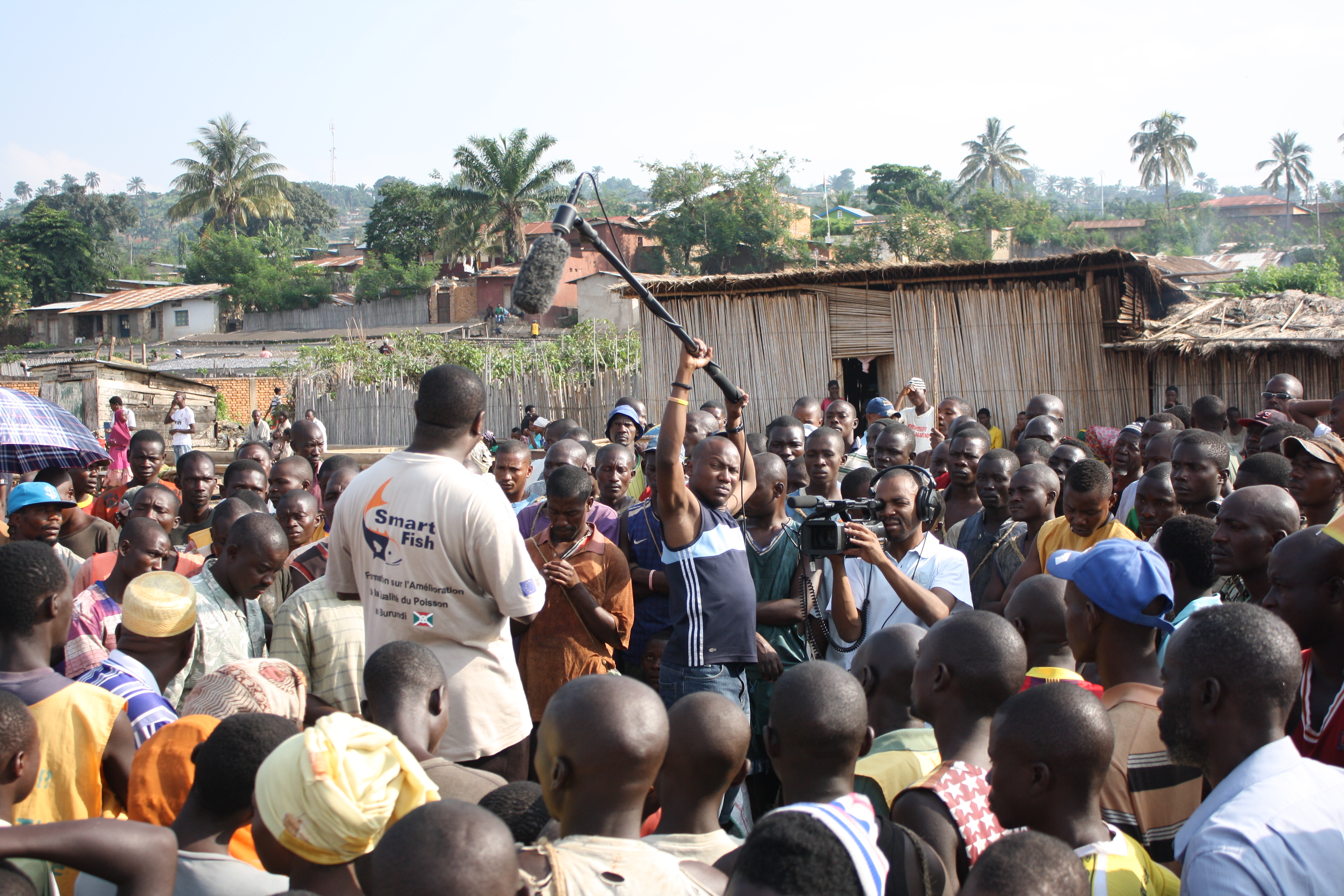
<p>Picture of the Month: <b>Participatory video on fisheries co-management in Lake Tanganyika - LTA and FAO/SmartFish Project</b>
<h2 style="text-align: left; "> <img src="http://lta.iwlearn.org/IMG_0668.JPG" title="LTA SmartFish Video" height="352" width="565" alt="LTA SmartFish Video" class="image-inline" /></h2>
<p> </p>
<p style="text-align: left; ">********************************************************************************************************************************************</p>
<p><img src="http://lta.iwlearn.org/copy_of_LTALogo_JPEGFormat.jpg" title="Logo LTA" height="99" width="74" alt="Logo LTA" class="image-inline" />     <img src="http://lta.iwlearn.org/unhabitatlogo260px1.jpg" title="Logo UNHabitat" height="98" width="222" alt="Logo UNHabitat" class="image-inline" />     <img src="http://lta.iwlearn.org/UnidoLogo.jpg" title="Logo UNIDO" height="107" width="89" alt="Logo UNIDO" class="image-inline" /></p>
<p>The Lake Tanganyika Authority (LTA) in collaboration with the UN- Habitat, the United Nations Industrial Development Organization (UNIDO) and the Common Market for Eastern and Southern Africa (COMESA), are organising on 30<sup>th</sup>, April 2014, a one-day <b>Consultative Forum on the Strategic Action Programme for the Protection of Biodiversity and Sustainable Management of Natural Resources in Lake Tanganyika and its Basin, and the Lake Tanganyika Water Supply, Sanitation, Environmental and Sustainable Economic Development Programme (LT-WATSAN).</b></p>
<p>The Forum will take place at “Hotel Club du Lac Tanganyika” in Bujumbura, Republic of Burundi and we would like to invite the Development Partners to participate in order to discuss with authorities from the Lake Tanganyika riparian countries and representatives from the above mentioned organisations on ways and means necessary to consider a successful cooperation to sustainably improve the livelihood for urban and suburban communities in Lake Tanganyika basin.</p>
<p>*******************************************************************************************************************************************</p>
<p>Lake Tanganyika Authority Secretariat : Regional Activities for Protection of the Lake Tanganyika Basin</p>
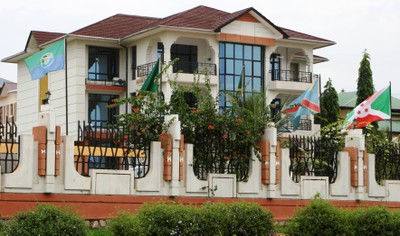
<p class="Default"><img src="http://lta.iwlearn.org/photos/lta-headquater/image_preview" alt="You may have the adress of LTA but look at his Headquater in pictures" style="float: left; " class="image" title="LTA Headquater" /><strong>The Lake Tanganyika Authority</strong> (LTA) was established by the governments of Burundi, Democratic Republic of Congo, Tanzania, and Zambia. The LTA promotes regional cooperation required for socio-economic development and sustainable management of the natural resources in the Lake Tanganyika basin.</p>
<p>The Lake Tanganyika Authority (LTA) was launched in December 2008 with the mandate to safeguard the lake and its natural resources. The LTA coordinates the implementation of the Convention on the Sustainable Management of Lake Tanganyika. It is now made operational with the headquaters to be hosted by Republic of Burundi in Bujumbura.</p>
<p><strong>Administrative address</strong></p>
<p>Lake Tanganyika Authority Secretariat, P.O. Box 4910 Ngagara, Kigobe North, Bujumbura - Burundi. Telephone : +257 22 27 35 80/81/82 * E-mail: <a href="mailto:info@lta-alt.org">info@lta-alt.org</a> * Website: <a href="http://lta.iwlearn.org/">http://lta.iwlearn.org</a></p>
<p><strong>National and International Cooperating Partners</strong></p>
<p>The Lake Tanganyika Authority (LTA) was launched in December 2008 with the mandate to safeguard the lake and its natural resources. The LTA coordinates the implementation of the Convention on the Sustainable Management of Lake Tanganyika. This is driven by the Governments of Burundi, Democratic Republic of Congo, Tanzania, and Zambia with support from a range of partner organizations including UNDP, Global Environment Facility (GEF), African Development Bank (ADB), FAO, Nordic Development Fund (NDF), IUCN, UNEP and NIGLAS.</p>
<ul>
<li>UNDP, United Nations Development Programme, <a href="http://www.undp.org">www.undp.org</a> </li>
<li>GEF, Global Environment Facility, <a href="http://www.thegef.org">www.thegef.org</a> </li>
<li>ADB, African Development Bank, <a href="http://www.afdb.org">www.afdb.org</a> </li>
<li>FAO, Food and Agriculture Organization, <a href="http://www.fao.org">www.fao.org</a> </li>
<li>NDF, Nordic Development Fund, <a href="http://www.ndf.fi">www.ndf.fi</a> </li>
<li>IUCN, International Union for Conservation of Nature, <a href="http://www.iucn.org">www.iucn.org</a> </li>
<li>UNEP, United Nations Environment Programme, <a href="http://www.unep.org">www.unep.org</a> </li>
<li>NIGLAS, <span class="st">Nanjing Institute of Geography and Limnology, Chinese Academy of Sciences, <a href="http://english.niglas.cas.cn/au/bi/">http://english.niglas.cas.cn/au/bi/</a></span></li>
</ul>
<p class="Default">**********************************************************************************************************************************************</p>
</p>
<table class="invisible" style="text-align: left; padding-left: 0px; ">
<tbody>
<tr style="padding-left: 0px; ">
<td>
<p style="text-align: center; padding-left: 0px; "><a href="http://lta.iwlearn.org/Countries/bur" class="internal-link"><img src="http://lta.iwlearn.org/flagburundi125.gif" title="" height="71" width="103" alt="flagburundi125.gif" class="image-left" /></a></p>
<p style="text-align: center; padding-left: 0px; "><a style="padding-left: 0px; " href="http://lta.iwlearn.org/burundipage">Burundi</a></p>
</td>
<td style="padding-left: 0em; "> <br /></td>
<td>
<p style="text-align: center; padding-left: 0px; "><a href="http://lta.iwlearn.org/Countries/tz" class="internal-link"><img src="http://lta.iwlearn.org/copy2_of_flagtanzania125.gif" title="" height="70" width="102" alt="copy_of_flagtanzania125.gif" class="image-left" /></a></p>
<p style="text-align: center; padding-left: 0px; "><a href="http://lta.iwlearn.org/tanzaniapage">Tanzania</a></p>
</td>
<td style="text-align: left; ">
<p> </p>
<p><strong>Lake Tanganyika</strong> is famed as a<a href="http://lta.iwlearn.org/photos/aquatic-biodiversity-1" class="internal-link"> hotspot of aquatic biodiversity</a>, harbouring hundreds of species that are found nowhere else in the world.</p>
</td>
</tr>
<tr>
<td>
<p style="text-align: center; "><a href="http://lta.iwlearn.org/Countries/drc" class="internal-link"><img src="http://lta.iwlearn.org/flagcongo125.gif" title="" height="67" width="101" alt="flagcongo125.gif" class="image-left" /></a></p>
<p style="text-align: center; "><a href="http://lta.iwlearn.org/Countries/drc" class="internal-link">DR Congo</a></p>
</td>
<td><br /></td>
<td>
<p style="text-align: center; "><a href="http://lta.iwlearn.org/Countries/z" class="internal-link"><img src="http://lta.iwlearn.org/flagzambia125.gif" title="" height="72" width="106" alt="flagzambia125.gif" class="image-left" /></a></p>
<p style="text-align: center; "><a href="http://lta.iwlearn.org/Countries/z" class="internal-link">Zambia</a></p>
</td>
<td>
<p>It is Africa’s oldest and deepest lake, and contains almost 17% of the world’s available freshwater supply. Millions of people depend on the lake for water, food, and transportation.</p>
</td>
</tr>
</tbody>
</table>
<table class="invisible" style="text-align: left; ">
<tbody>
<tr>
<td>
<p> </p>
<p>Furthermore, the LTA coordinates the implementation of the <a style="padding-left: 0px; margin-left: 0px; " href="http://lta.iwlearn.org/documents/the-convention-on-the-sustainable-management-of-lake-tanganyika-eng.pdf" class="internal-link">Convention on the Sustainable Management of Lake Tanganyika</a><i>.</i></p>
<p>The LTA also coordinates and oversees the implementation of the <a style="padding-left: 0px; margin-left: 0px; " href="http://lta.iwlearn.org/regional-integrated-management-program" class="internal-link">Regional Integrated Management and Development Programme</a>, which focuses on establishment of sustainable fisheries, catchment management, pollution control, climate change adaptations, and monitoring programs.</p>
</td>
<td>
<p> </p>
<p style="text-align: left; "><strong><img src="http://lta.iwlearn.org/IMG_0114.JPG" title="Ir JM Nibirantije" height="160" width="158" alt="Ir JM Nibirantije" class="image-inline" /></strong></p>
<p style="text-align: left; "><strong>Executive Director of LTA, Ir. Jean Marie NIBIRANTIJE</strong></p>
</td>
</tr>
</tbody>
</table>
<p>
<p><strong>Lake Tanganyika</strong> is one of Africa’s Great Lakes. It harbours hundreds of species of colourful fish, as well as snails, crabs, shrimps, sponges, and many other organisms that occur nowhere else in the world.</p>
<p><img src="http://lta.iwlearn.org/lake-tanganyika-coastline/image_mini" alt="lake-tanganyika-coastline  Lake Tanganyika Coastline  Lake Photo  " class="image-left" title="Gombe Stream National Park, Tanzania. Photo: S. Marijnissen, 2010" />The natural resources of Lake Tanganyika and its basin are important to millions of people.The lake contains c.a. 17% of the world’s available surface freshwater supplies, and offers important transport routes between the riparian countries.</p>
<p>The basin is rich in minerals and fertile soils.The basin encompasses important wildlife refuges including Gombe Stream, Mahale Mountains, Nsumbu National Parks and Rusizi Nature Reserve.</p>
</p>
<table class="invisible" style="text-align: left; ">
<tbody>
<tr>
<th>
<p>Gombe Stream Park, Tanzania</p>
</th>
</tr>
</tbody>
</table>]]></content:encoded>
    <dc:publisher>No publisher</dc:publisher>
    <dc:creator>Taya Santives</dc:creator>
    <dc:rights></dc:rights>
    <dc:date>2011-06-17T07:10:00Z</dc:date>
    <dc:type>Page</dc:type>
  </item>


  <item rdf:about="http://lta.iwlearn.org/photos/Tour_waterfalls.jpg">
    <title>Waterfalls</title>
    <link>http://lta.iwlearn.org/photos/Tour_waterfalls.jpg</link>
    <description> </description>
    
    <dc:publisher>No publisher</dc:publisher>
    <dc:creator>Matthew Kleinosky</dc:creator>
    <dc:rights></dc:rights>
    
      <dc:subject>Photo</dc:subject>
    
    
      <dc:subject>Tourism</dc:subject>
    
    <dc:date>2011-05-29T03:15:30Z</dc:date>
    <dc:type>Image</dc:type>
  </item>


</rdf:RDF>