<?xml version="1.0" encoding="utf-8" ?>
<rdf:RDF xmlns:rdf="http://www.w3.org/1999/02/22-rdf-syntax-ns#" xmlns:dc="http://purl.org/dc/elements/1.1/" xmlns:syn="http://purl.org/rss/1.0/modules/syndication/" xmlns="http://purl.org/rss/1.0/">


<channel rdf:about="http://lta.iwlearn.org/search_rss">
  <title>Lake Tanganyika</title>
  <link>http://lta.iwlearn.org</link>

  <description>
    
            These are the search results for the query, showing results 1 to 9.
        
  </description>


  <image rdf:resource="http://lta.iwlearn.org/logo.png"/>

  <items>
    <rdf:Seq>
      
        <rdf:li rdf:resource="http://lta.iwlearn.org/new-guide-to-some-invasive-plants-affecting-lake-tanganyika"/>
      
      
        <rdf:li rdf:resource="http://lta.iwlearn.org/Pigra1.jpg"/>
      
      
        <rdf:li rdf:resource="http://lta.iwlearn.org/copy_of_Pigra1.jpg"/>
      
      
        <rdf:li rdf:resource="http://lta.iwlearn.org/the-invasive-mimosa-pigra-is-extending-its-range-in-the-lake-tanganyika-ecosystem"/>
      
      
        <rdf:li rdf:resource="http://lta.iwlearn.org/photos/water-hyacinth"/>
      
      
        <rdf:li rdf:resource="http://lta.iwlearn.org/photos/InvasiveSpecies_invasive-water-lettuce.jpg"/>
      
      
        <rdf:li rdf:resource="http://lta.iwlearn.org/photos/InvasiveSpecies_invasive-cactus.jpg"/>
      
      
        <rdf:li rdf:resource="http://lta.iwlearn.org/photos/InvasiveSpecies_water-hyacinth.jpg"/>
      
      
        <rdf:li rdf:resource="http://lta.iwlearn.org/photos/InvSp_crayfish-in-hand.jpg"/>
      
    </rdf:Seq>
  </items>

</channel>


  <item rdf:about="http://lta.iwlearn.org/new-guide-to-some-invasive-plants-affecting-lake-tanganyika">
    <title>New Guide to some invasive plants affecting Lake Tanganyika</title>
    <link>http://lta.iwlearn.org/new-guide-to-some-invasive-plants-affecting-lake-tanganyika</link>
    <description>Lake Tanganyika Authority in collaboration with UNDP/GEF Project and IUCN Invasive Species Initiative organized a workshop on invasive species affecting Lake Tanganyika at Kibunoah Hotel, in Bujumbura - Burundi, for the Burundi and D. R. Congo Technical Teams on Environmental Issues. "From this 23 rd  to 24 th  August, 2012, you will be involved to how you can control species that have become invasive and be trained how you can prevent new invasions in order to develop a Monitoring Programme for Invasive Species for the four riparian countries of Lake Tanganyika” said Mr. Gabriel Hakizimana, Director of Environment of Lake Tanganyika Authority – LTA.</description>
    <content:encoded xmlns:content="http://purl.org/rss/1.0/modules/content/"><![CDATA[<p>Lake Tanganyika Authority in collaboration with UNDP/GEF Project and IUCN Invasive Species Initiative organized a workshop on invasive species affecting Lake Tanganyika at Kibunoah Hotel, in Bujumbura - Burundi, for the Burundi and DR Congo Technical Teams on Environmental Issues. "From this 23<sup>rd</sup> to 24<sup>th</sup> August, 2012, you will be involved to how you can control species that have become invasive and be trained how you can prevent new invasions in order to develop a Monitoring Programme for Invasive Species for the four riparian countries of Lake Tanganyika” said Mr. Gabriel Hakizimana, Director of Environment of Lake Tanganyika Authority – LTA.</p>
<p>According to Mr. Simbotwe Mwiya, Regional Coordinator of UNDP/GEF Project on Lake Tanganyika, “there is increasing pressure on Lake’s natural resources – thus need for the protection of Lake Tanganyika. In response to this need, the Lake Tanganyika Convention was signed by the four riparian states in 2003 and a Strategic Action Programme (SAP) was formulated to help in the establishment of a regional monitoring system in order to contribute to long-term sustainable management of Lake Tanganyika”.</p>
<p>Then, a guide to some invasive plants affecting Lake Tanganyika has been produced. “ This guide is a product  of the SAP through a project supported by UNDP/GEF, managed by UNOPS and implemented by International Union for Conservation of Nature (IUCN)”, indicated Mr Mwiya.</p>
<p>Dr Geoffrey Howard, one of authors of that guide, mentioned that the Invading species – especially invasive plants - can affect the environment in many ways – which are able to have short and long distance impacts on water quality and quantity relevant to the Lake Tanganyika. To Ms Esther Abonyo, co-author, indicated to the technical teams from Burundi and DR Congo that the initial introduction of these invasive plants may, in rare cases, be natural, but most often introduction is associated with people and can be intentional or unintentional (accidental). Most species introductions do not survive to the next stage of establishment.</p>
<p> “This process and its steps from introduction to invasion may take weeks or months, sometimes years or even decades or centuries (as in the case of some trees). This is why we need to take note of new species that arrive and join the flora or fauna - and check if they have a reputation of invasion elsewhere” recognized Dr Howard.</p>
<p>In the absence of national agencies solely responsible for the prevention and management of biological invasions (sometimes called Biosecurity Departments), invasions become the responsibility of the land ( and water) managers, biodiversity managers and human livelihood and welfare organizations. This is the origin of the idea to develop a monitoring system for invasive alien species in and around Lake Tanganyika. 31 groups of species are described in the Guide to some invasive plants affecting Lake Tanganyika.</p>]]></content:encoded>
    <dc:publisher>No publisher</dc:publisher>
    <dc:creator>Alain Gashaka</dc:creator>
    <dc:rights></dc:rights>
    
      <dc:subject>Guide</dc:subject>
    
    
      <dc:subject>Invasive Species</dc:subject>
    
    
      <dc:subject>Lake</dc:subject>
    
    
      <dc:subject>Tanganyika</dc:subject>
    
    <dc:date>2012-08-22T22:00:00Z</dc:date>
    <dc:type>News Item</dc:type>
  </item>


  <item rdf:about="http://lta.iwlearn.org/Pigra1.jpg">
    <title>Pigra1</title>
    <link>http://lta.iwlearn.org/Pigra1.jpg</link>
    <description>Pigra1.jpg  Pigra1  Invasive Species Lake Tanganyika   
</description>
    
    <dc:publisher>No publisher</dc:publisher>
    <dc:creator>Alain Gashaka</dc:creator>
    <dc:rights></dc:rights>
    
      <dc:subject>Invasive Species</dc:subject>
    
    
      <dc:subject>Lake</dc:subject>
    
    
      <dc:subject>Tanganyika</dc:subject>
    
    <dc:date>2011-10-19T14:21:51Z</dc:date>
    <dc:type>Image</dc:type>
  </item>


  <item rdf:about="http://lta.iwlearn.org/copy_of_Pigra1.jpg">
    <title>Pigra11</title>
    <link>http://lta.iwlearn.org/copy_of_Pigra1.jpg</link>
    <description>copy_of_Pigra1.jpg  Pigra11  Invasive Species Lake Tanganyika   
</description>
    
    <dc:publisher>No publisher</dc:publisher>
    <dc:creator>Alain Gashaka</dc:creator>
    <dc:rights></dc:rights>
    
      <dc:subject>Invasive Species</dc:subject>
    
    
      <dc:subject>Lake</dc:subject>
    
    
      <dc:subject>Tanganyika</dc:subject>
    
    <dc:date>2011-10-19T14:20:41Z</dc:date>
    <dc:type>Image</dc:type>
  </item>


  <item rdf:about="http://lta.iwlearn.org/the-invasive-mimosa-pigra-is-extending-its-range-in-the-lake-tanganyika-ecosystem">
    <title>The invasive Mimosa pigra is extending its range in the Lake Tanganyika ecosystem</title>
    <link>http://lta.iwlearn.org/the-invasive-mimosa-pigra-is-extending-its-range-in-the-lake-tanganyika-ecosystem</link>
    <description>Mimosa pigra is an invasive species in many places in Africa and is spreading.</description>
    <content:encoded xmlns:content="http://purl.org/rss/1.0/modules/content/"><![CDATA[<p><i><strong><img src="http://lta.iwlearn.org/copy_of_Pigra1.jpg/image_large" title="Pigra11" height="474" width="625" alt="Pigra11" class="image-inline" /></strong></i></p>
<h3><strong>What is an invasive species?</strong></h3>
<p>An invasive species is an animal or plant which is introduced into a new area where it does not occur naturally. If the introduction occurs without the accompaniment of its pests and diseases that keep the species in check (under control) in its natural range and if it is able to survive, establish and spread thus causing damage to biodiversity, peoples’ livelihoods or development, it is called “invasive”.</p>
<h3><strong>Definition of Mimosa Pigra</strong></h3>
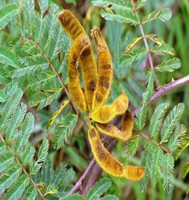
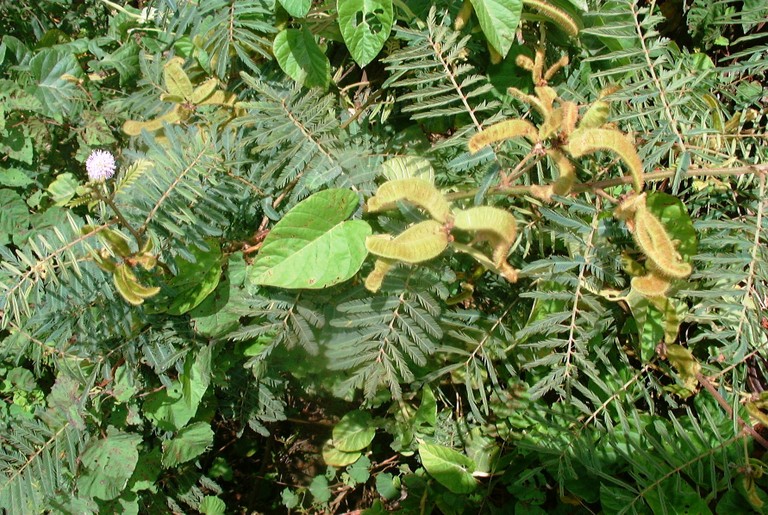
<p><i><strong>Mimosa Pigra,</strong> </i>the giant sensitive plant, is a prickly leguminous shrub that can reach up to 4m in height. It originates from tropical South and Central America but has been in Africa for at least 200 years. It has long brown woody stems that branch from the base and which bear many sharp, curved thorns. The leaves are soft, green, finely-pinnate and fold inwards when touched (hence the name “sensitive plant”). The flowers are balls of stamens usually pink or mauve, sometimes almost yellow in colour. The fruits are clustered pods, with a furry brown coating of small plant hairs, which break up into small sections (with one seed in each) when they mature. This plant has gradually become invasive in wetlands, lake and river edges and floodplains across Africa – during the last 30 to 40 years and continues to spread and invade.</p>
<h3><b>Impacts of </b><b>Mimosa pigra</b><b> </b></h3>
<ul>
<li><i>Mimosa pigra </i>is known to cause extensive damage to local vegetation by displacing native vegetation while forming a single species thicket which can be impenetrable to people and most animals;</li>
<li><i>Mimosa pigra </i>can diminish grazing/pastoral lands especially floodplains and reduces habitat diversity for wild animals and plants;</li>
<li>It can block waterways with impacts on transport and fisheries and can prevent peoples’ access to both aquatic and terrestrial habitats;</li>
<li>Tourism is at times affected when this plant invades protected areas and wildlife can be excluded from their feeding grounds by <i>Mimosa pigra </i>invasions;</li>
<li><i>Mimosa pigra </i>can also affect water flow in natural streams and irrigation canals and is very difficult to remove in the long-term.</li>
</ul>
<p class="Pa0"> </p>
<h3 class="Pa0"><img src="http://lta.iwlearn.org/Pigra2.jpg/image_mini" alt="Pigra2" style="float: left; " class="image-inline" title="Pigra2" />How does it spread?</h3>
<ul>
<li>
<div class="Pa6"></div>
</li>
<li>
<div class="Pa6">The seeds are readily spread be floating on water and being swept away by currents – in streams and floodplains;</div>
</li>
<li>
<div class="Pa6"></div>
</li>
<li>
<div class="Pa6">The seedpods adhere to clothing and coats of mammals (including cattle and small stock) and feathers of birds and can thus spread far and wide;</div>
</li>
<li>
<div class="Pa6"></div>
</li>
<li>
<div class="Pa6">The seeds and pods can also stick onto vehicle tyres facilitating their spread – by cars, farm vehicles and earth-moving machinery.</div>
</li>
</ul>
<p class="Pa1"> </p>
<h3 class="Pa1">Why should we be concerned?</h3>
<p><i>Mimosa pigra</i>, despite being present in Africa for possibly two centuries, has only recently begun to spread and become invasive. This may possibly be due to the recent arrival of soil micro-organisms from its original area that allow it to grow faster. But, whatever the reason, it is becoming a problem in almost every country in Africa – through invasion and changing the vegetation and uses of wetlands, lakes and rivers in many places. It is thus a threat to the coasts, wetlands and inflowing waters of Lake Tanganyika in all four riparian countries – which is a concern for the Lake Tanganyika Management Authority and the four countries concerned (Burundi, DRC, Tanzania and Zambia).</p>
<h3 class="Pa4"><img src="http://lta.iwlearn.org/Pigra3.jpg/image_mini" alt="Pigra3" style="float: right; " class="image-inline" title="Pigra3" />How can it be controlled?</h3>
<ul>
<li>
<div class="Pa7">Before thickets are established, isolated plants can be managed by mechanical removal through slashing, excavation of roots and burning. The method is very labour-intensive and may stimulate seed germination due to the removal of seed coats.</div>
</li>
<li>
<div class="Pa7">Herbicides may be used with subsequent sowing of competitive plants to suppress regeneration from seed; aerial spraying may be needed when the height and density of <i>Mimosa pigra </i>hinders acces;</div>
</li>
<li>
<div class="Pa7">Biological control is the most cost effective and long-term control strategy for <i>Mimosa pigra </i>and there is a range of biocontrol agents available which have been used in Asia and Australia.</div>
</li>
<li>
<div class="Pa7">A more integrated plan combining mechanical, chemical and biological control may result in quicker and more effective management results to reduce an invasion and prevent its spread.</div>
</li>
</ul>
<p class="Pa0"><b> </b></p>
<p class="Pa0" style="text-align: right; "><b>IUCN Global Invasive Species Initiative</b><b> - </b><b>IUCN ESARO Regional Office, Nairobi, Kenya</b><b>. </b></p>
<p class="Pa0" style="text-align: right; "><b>For more information: contact: </b><b>info@lta-alt.org </b><b>or </b><b>geoffrey.howard@iucn.org </b><b>or </b><b>esther.abonyo@iucn.org</b><b> </b></p>]]></content:encoded>
    <dc:publisher>No publisher</dc:publisher>
    <dc:creator>Alain Gashaka</dc:creator>
    <dc:rights></dc:rights>
    
      <dc:subject>Invasive Species</dc:subject>
    
    
      <dc:subject>Lake</dc:subject>
    
    
      <dc:subject>Tanganyika</dc:subject>
    
    <dc:date>2011-10-19T14:15:00Z</dc:date>
    <dc:type>News Item</dc:type>
  </item>


  <item rdf:about="http://lta.iwlearn.org/photos/water-hyacinth">
    <title>Water Hyacinth</title>
    <link>http://lta.iwlearn.org/photos/water-hyacinth</link>
    <description>We can find this type of invasives species in the Rusizi river and in the Lake Tanganyika. According to LTA, this can be one of the threats of the Lake as pollution factor</description>
    
    <dc:publisher>No publisher</dc:publisher>
    <dc:creator>Alain Gashaka</dc:creator>
    <dc:rights>agashaka</dc:rights>
    
      <dc:subject>Aquatic Bioversity</dc:subject>
    
    
      <dc:subject>Invasive Species</dc:subject>
    
    
      <dc:subject>Photo</dc:subject>
    
    
      <dc:subject>Pollution</dc:subject>
    
    <dc:date>2011-09-20T13:52:43Z</dc:date>
    <dc:type>Image</dc:type>
  </item>


  <item rdf:about="http://lta.iwlearn.org/photos/InvasiveSpecies_invasive-water-lettuce.jpg">
    <title>Invasive Species Water lettuce</title>
    <link>http://lta.iwlearn.org/photos/InvasiveSpecies_invasive-water-lettuce.jpg</link>
    <description> </description>
    
    <dc:publisher>No publisher</dc:publisher>
    <dc:creator>Matthew Kleinosky</dc:creator>
    <dc:rights></dc:rights>
    
      <dc:subject>Invasive Species</dc:subject>
    
    
      <dc:subject>Photo</dc:subject>
    
    <dc:date>2011-05-28T21:49:45Z</dc:date>
    <dc:type>Image</dc:type>
  </item>


  <item rdf:about="http://lta.iwlearn.org/photos/InvasiveSpecies_invasive-cactus.jpg">
    <title>Invasive Species cactus</title>
    <link>http://lta.iwlearn.org/photos/InvasiveSpecies_invasive-cactus.jpg</link>
    <description> </description>
    
    <dc:publisher>No publisher</dc:publisher>
    <dc:creator>Matthew Kleinosky</dc:creator>
    <dc:rights></dc:rights>
    
      <dc:subject>Invasive Species</dc:subject>
    
    
      <dc:subject>Photo</dc:subject>
    
    <dc:date>2011-05-28T21:48:35Z</dc:date>
    <dc:type>Image</dc:type>
  </item>


  <item rdf:about="http://lta.iwlearn.org/photos/InvasiveSpecies_water-hyacinth.jpg">
    <title>Invasive Species water hyacinth</title>
    <link>http://lta.iwlearn.org/photos/InvasiveSpecies_water-hyacinth.jpg</link>
    <description> </description>
    
    <dc:publisher>No publisher</dc:publisher>
    <dc:creator>Matthew Kleinosky</dc:creator>
    <dc:rights></dc:rights>
    
      <dc:subject>Invasive Species</dc:subject>
    
    
      <dc:subject>Photo</dc:subject>
    
    <dc:date>2011-05-28T21:47:17Z</dc:date>
    <dc:type>Image</dc:type>
  </item>


  <item rdf:about="http://lta.iwlearn.org/photos/InvSp_crayfish-in-hand.jpg">
    <title>Invasive Species Crayfish in hand</title>
    <link>http://lta.iwlearn.org/photos/InvSp_crayfish-in-hand.jpg</link>
    <description> </description>
    
    <dc:publisher>No publisher</dc:publisher>
    <dc:creator>Matthew Kleinosky</dc:creator>
    <dc:rights></dc:rights>
    
      <dc:subject>Invasive Species</dc:subject>
    
    
      <dc:subject>Photo</dc:subject>
    
    <dc:date>2011-05-27T20:13:05Z</dc:date>
    <dc:type>Image</dc:type>
  </item>


</rdf:RDF>